What Counts as a Home Service Emergency? A Homeowner’s Guide
Emergency home services in Southend-on-Sea are for problems that cannot safely or practically wait for a normal appointment. But not every broken fitting is an emergency, and knowing the difference can help you respond calmly, protect the property, and contact the right person.
A genuine home service emergency usually involves immediate safety, active damage, loss of security, essential services, or a problem that is rapidly getting worse. Our emergency services are designed for urgent property issues where a fast professional response is appropriate.
What Makes a Home Problem an Emergency?
Ask four questions:
- Is anyone in danger?
- Is the property being actively damaged?
- Is the home no longer secure?
- Will waiting make the situation significantly worse?
If the answer is yes, treat the issue as urgent.
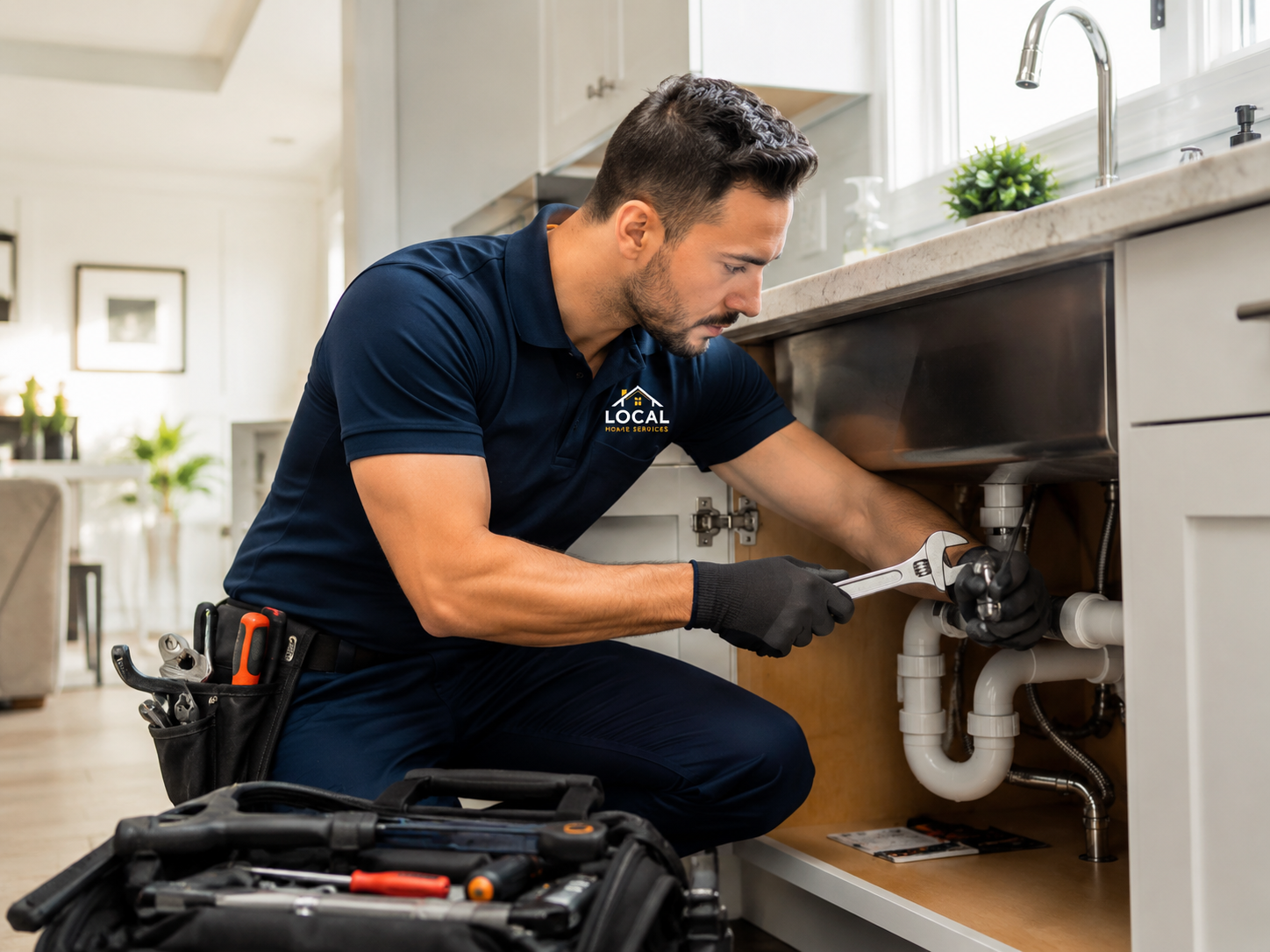
Examples may include major active leaks, dangerous electrical symptoms, severe storm damage, a door that cannot secure the property, or a failure affecting an essential part of the home.
Active Water Leaks
A small drip may be a routine repair. Water flowing continuously into a cabinet, ceiling, floor, or wall is different.
If you can safely identify the local or main water shut-off, turning off the supply can reduce damage while help is arranged. Do not take risks accessing valves in unsafe locations.
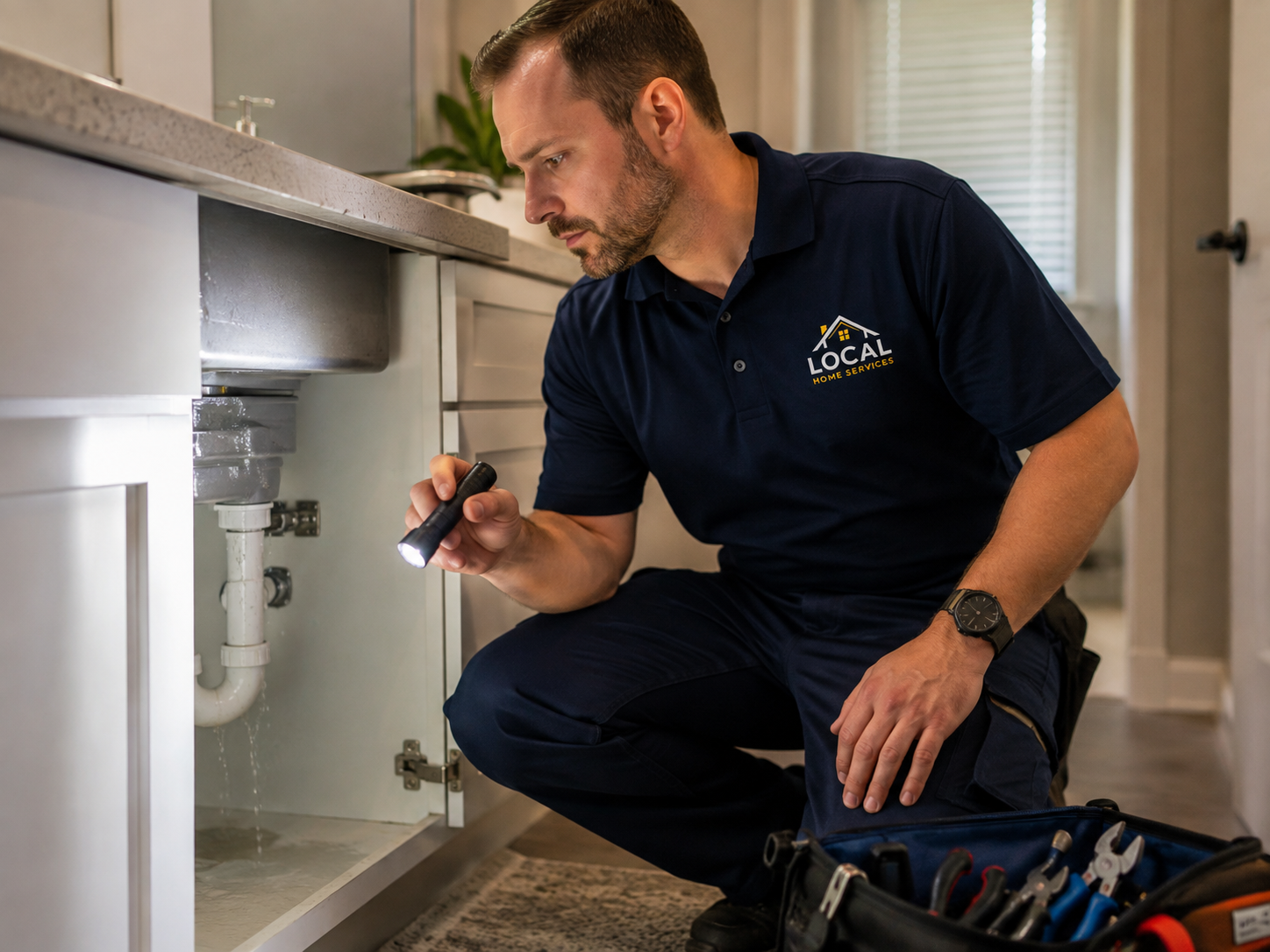
Move valuables away from the affected area and use containers or towels only where it is safe. Avoid electrical equipment in wet areas.
The priority is stopping or controlling the source, then assessing what has been damaged.
Electrical Warning Signs
Electrical emergencies can include:
- burning smells
- visible sparking
- smoke
- damaged exposed wiring
- repeated immediate tripping with signs of a fault
- electrical equipment affected by water
- shocks or tingling from fittings
Electrical Safety First advises homeowners not to ignore overheating, burn marks, arcing noises, or repeated tripping and recommends professional help for electrical faults. See its electrical safety advice.
Do not keep resetting a circuit if there is an obvious fault. Keep people away from the affected area and use a competent electrician.
Gas Smells or Suspected Gas Problems
A suspected gas leak is not a general home repair call.
HSE advises that if you suspect a gas leak you should call the national gas emergency service, ventilate the property, and follow official safety instructions. Read the HSE’s gas safety guidance for homeowners for current instructions.
Gas work must be carried out by a Gas Safe registered engineer.
Loss of Security
If an external door, lock, window, or access point is damaged so the property cannot be secured, the problem may justify emergency attention even if nothing else is broken.
Security issues can happen after:
- forced entry
- accidental damage
- lock failure
- door hardware failure
- storm damage
- a window breaking
A temporary secure solution may sometimes be needed before the permanent repair can be completed.
Storm and Weather Damage
Strong wind and heavy rain can create sudden issues with external fittings, windows, doors, gutters, roofing, or water entry.
Do not climb onto a roof during poor weather. Keep clear of loose materials and damaged electrical items.
If water is entering the property, move possessions away from the affected area and arrange an assessment as soon as conditions allow.
Properties in coastal locations such as Southend-on-Sea and Leigh-on-Sea can be exposed to strong weather, so having a basic emergency plan is sensible.
What Should You Do First?
When a problem happens, the first few minutes matter.
1. Protect people
Move people and pets away from the danger.
2. Stop the source if safe
This could mean turning off water or isolating an appliance, but only if you know how and can do it safely.
3. Call the correct emergency service where required
Gas leaks, fire, serious electrical danger, and medical emergencies may require specialist emergency services rather than a general contractor.
4. Limit damage
Move belongings, contain water where safe, and prevent access to the affected area.
5. Document the issue
Take photos once everyone is safe. They can help the contractor understand the problem and may be useful for insurance.
6. Call a professional
Explain what happened, what you have already done, whether utilities are isolated, and whether the property is secure.
Clear information helps the technician prepare before arriving.
What Is Usually Not an Emergency?
Examples that can often wait for a scheduled appointment include:
- a dripping tap that can be contained
- a loose cabinet handle
- cosmetic damage
- a non-essential light fitting that has stopped working without other warning signs
- a minor door adjustment when the property remains secure
- a planned replacement
That does not mean ignore them. Book the repair before a small issue gets worse.
Our repairs and maintenance service is better suited to routine or non-urgent problems.
Prepare Before an Emergency Happens
A little preparation can reduce panic.
Homeowners should know:
- where the main water shut-off is
- where the consumer unit is
- how to contact their utility providers
- where insurance information is stored
- which contractor numbers they trust
- how to secure pets during an urgent visit
Keep a torch accessible and avoid blocking service areas with storage.
Tell the Technician Exactly What Happened
Useful information includes:
- when the problem started
- what you saw, heard, or smelled
- whether anything changed immediately before it happened
- what has been turned off
- whether water or electricity is involved
- whether the property is currently secure
- photos or video if safe to take
This can help the technician decide what tools, parts, or specialist support may be needed.
Emergency Repair Versus Permanent Repair
The first visit may be about making the property safe and stopping further damage.
A permanent repair may require:
- replacement parts
- drying time
- specialist work
- access that is not safe during the emergency
- further investigation
- approval from an insurer or property manager
A professional should explain whether the first fix is temporary or permanent.
Frequently Asked Questions
Is every leak an emergency?
No. A contained slow drip may be booked as a normal repair. An uncontrolled leak causing active damage is much more urgent.
Should I switch off electricity if there is water near electrical equipment?
Do not put yourself at risk. Keep away from the affected area and contact an appropriate professional. If you know how to safely isolate power without approaching the hazard, follow established safety procedures.
Who should I call if I smell gas?
Follow the current official HSE and gas emergency guidance. Do not treat a suspected gas leak as a normal home repair.
Can an emergency technician always complete the full repair immediately?
Not always. The first priority may be safety and damage limitation. Permanent work can depend on parts, specialist trades, access, or the condition of the property.
Need Urgent Home Service Help?
If you have an urgent property problem that needs professional attention, visit our emergency services.
You can also contact us or call {{custom_values.main_phone_display}}. If there is immediate danger, always use the appropriate emergency or utility service first.
