7 Signs Your Home Needs Professional Repair Services
Home repair services in Southend-on-Sea are often needed long before a problem becomes a full breakdown. Homes usually give warning signs: a window that suddenly sticks, a light that flickers, a damp mark that keeps returning, or a pipe connection that starts to drip. The challenge is knowing which signs can wait and which deserve professional attention now.
Spotting those signals early can reduce disruption and help protect the surrounding parts of your property. Below are seven common signs that it may be time to arrange professional repair work. If you already know something needs attention, you can also visit our repairs and maintenance service page.
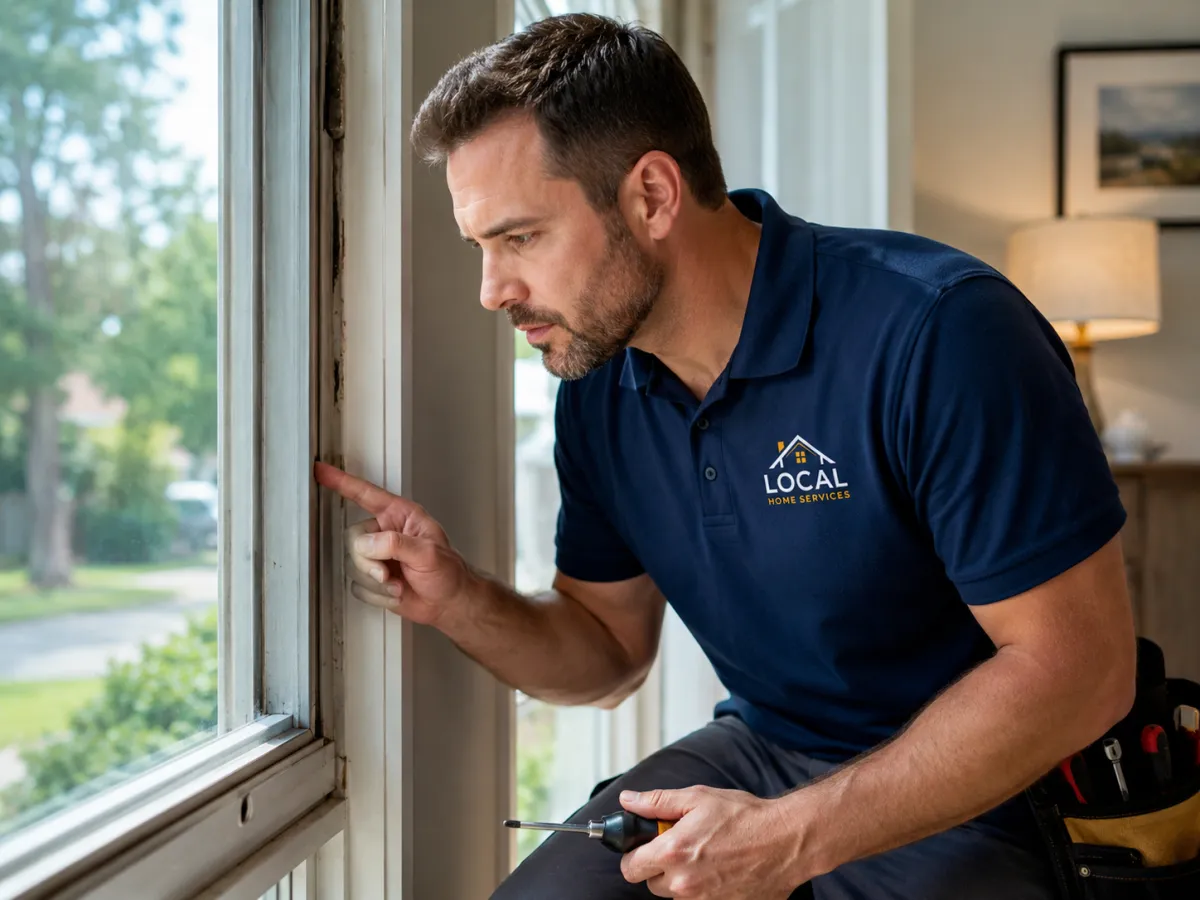
1. Windows or Doors Are Becoming Difficult to Use
A window that used to open smoothly should not suddenly need force. The same applies to doors that begin rubbing, dropping, sticking, or refusing to lock properly.
Possible causes include worn hardware, movement in the frame, damaged hinges, failed seals, or alignment problems. Forcing a window or door can put extra stress on handles, locks, and frames.
A repair professional can inspect the whole assembly rather than simply treating the symptom. In some cases, adjustment is enough. In others, a worn component may need replacement.
2. Lights Flicker, Switches Buzz, or Breakers Keep Tripping
Electrical warning signs should be taken seriously. Flickering lights can sometimes be caused by a simple lamp issue, but repeated flickering, buzzing, overheating, burn marks, or circuit breakers that keep tripping may point to an electrical fault.
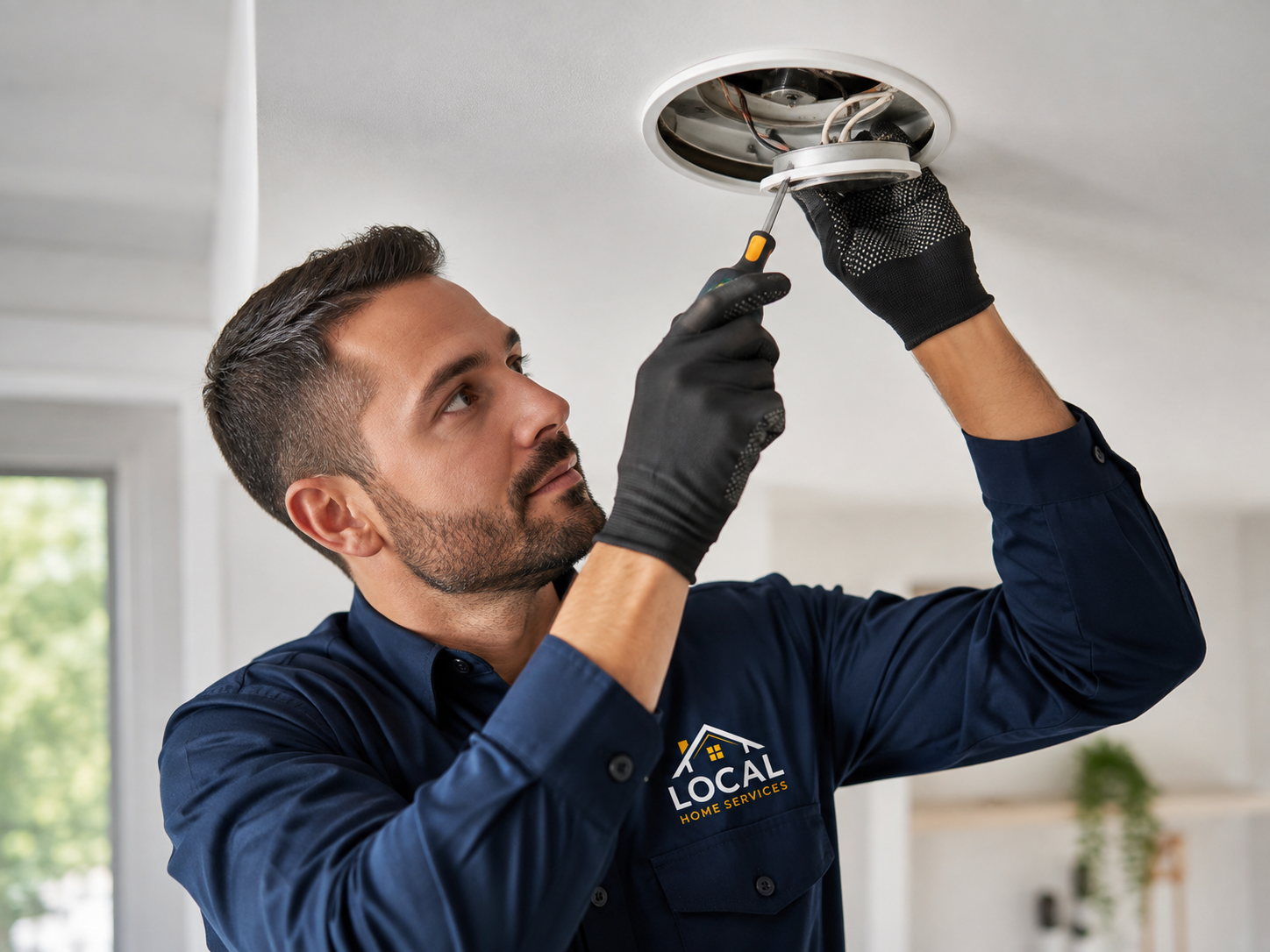
Electrical Safety First advises homeowners not to ignore burn marks, arcing sounds, repeated tripping, or overheating. Their electrical safety guidance explains common warning signs and when professional help is needed.
Do not remove covers or attempt electrical repairs unless you are properly competent to do so. If you suspect a wiring problem, use a qualified electrician.
3. Cracks, Stains, or Damp Marks Keep Coming Back
A mark on a ceiling or wall is not always caused by the surface itself. It can be evidence of a leak, condensation problem, failed seal, damaged roof area, or plumbing issue elsewhere.
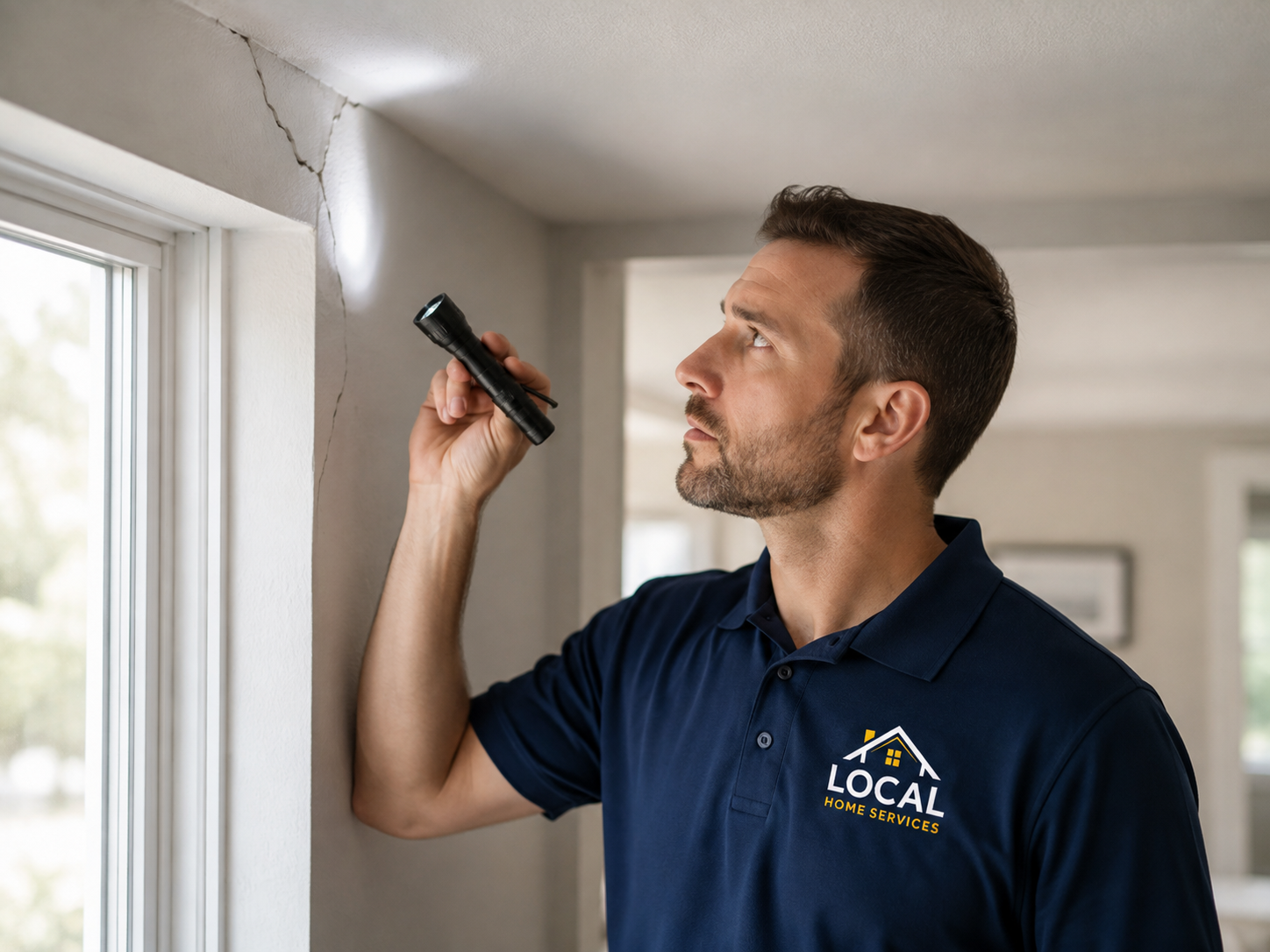
The important question is whether the mark changes. Photograph it, note the date, and check after rain or after using nearby plumbing. If it grows, darkens, feels damp, or returns after being painted over, investigate the source before repairing the finish.
Covering the stain without fixing the cause only hides the problem.
4. You Can See or Smell Evidence of a Plumbing Leak
Under-sink plumbing, appliance hoses, toilet connections, and accessible valves are common places to notice early leakage.
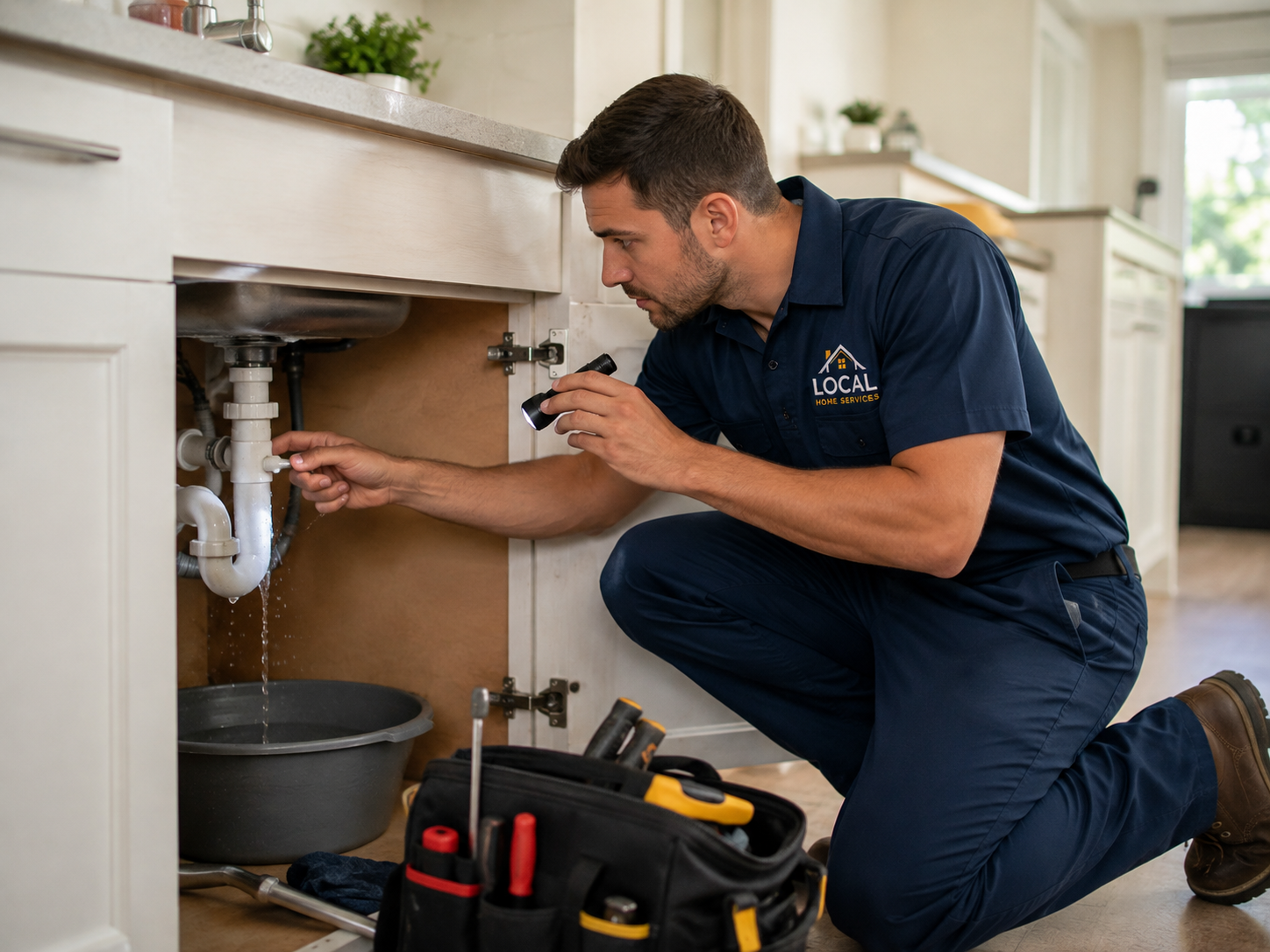
Warning signs include:
- visible drips
- damp cabinets
- warped panels
- musty smells
- unexplained water marks
- corrosion around joints
- the sound of water when nothing should be running
A small leak can cause disproportionate damage if it continues unnoticed. Turn off the relevant water supply if you know how and if it is safe to do so, then arrange the appropriate repair.
5. Fixtures Keep Coming Loose
A handle, rail, cabinet, fitting, or fixture that repeatedly works loose may have a deeper issue than a screw that needs tightening. The fixing point itself may be worn, the substrate may be damaged, or the wrong fixing may have been used.
Repeatedly tightening the same thing can sometimes make the problem worse.
A professional repair can include checking what the fixture is attached to and choosing a suitable fixing method rather than simply tightening the visible hardware.
6. The Same Problem Keeps Returning
Recurring problems deserve a different approach. If you have already resealed a gap, cleared a blockage, reset a breaker, adjusted a door, or patched a damaged area and the issue keeps coming back, the original cause may not have been identified.
Professional home repair services should focus on diagnosis as well as the repair itself.
Ask:
- What is actually causing the problem?
- Is there another component contributing to it?
- Is repair still sensible, or is replacement becoming more practical?
- Could the issue affect another area of the property?
If you are reaching that repair-versus-replacement point, our replacement services page explains the type of help available.
7. Something Feels Unsafe or Has Changed Suddenly
Sudden changes deserve attention. A burning smell, a door that no longer locks, water appearing unexpectedly, a fixture pulling away from a wall, or an unusual sound from a system should not be treated as normal wear.
For gas appliances or suspected gas leaks, follow official safety guidance rather than attempting a repair yourself. HSE advises homeowners to use Gas Safe registered engineers for gas work and provides specific steps for suspected gas leaks in its homeowner gas safety guidance.
If there is immediate danger, leave the affected area and contact the appropriate emergency service or utility provider.
Repair Now or Monitor It?
Not every mark or squeak is urgent. A useful way to judge the situation is to consider three things:
- Safety: Could the issue create a risk of injury, fire, gas exposure, flooding, or loss of security?
- Progression: Is it getting worse, spreading, or happening more often?
- Consequences: If it fails completely, could it damage something else?
If the answer to any of these is yes, early professional attention usually makes sense.
Why Early Repairs Are Often Easier
Small faults tend to affect nearby components when they are ignored. A dripping connection can damage cabinetry. A failed seal can allow moisture into surrounding materials. A loose hinge can place additional stress on a lock and frame.
Repairing the original fault early can mean less labour, fewer materials, and less disruption.
It also gives you more control over timing. You can arrange work around your schedule instead of responding to a failure at the worst possible moment.
Choosing the Right Professional
For general property repairs, look for clear communication, appropriate insurance, realistic estimates, and someone willing to explain what they found.
For regulated work, use the appropriate competent specialist. Electrical Safety First advises using a registered competent electrician for electrical work and warns homeowners against unsafe DIY. See their DIY electrical safety guidance.
When agreeing to larger work, Citizens Advice also recommends being clear about the scope, price, and what is included. Its guidance on problems with home improvements and repairs is useful if you ever need to understand your consumer rights.
Local Repair Services in Southend-on-Sea
Properties across Southend-on-Sea, Leigh-on-Sea, Westcliff-on-Sea, and nearby neighbourhoods vary in age and construction. That means the cause of a repair problem can also vary.
A good repair starts with inspection rather than assumption. The same symptom can have different causes in two different properties.
For an overview of the work available, visit our services page.
Frequently Asked Questions
How do I know whether a repair is urgent?
Treat issues involving electricity, gas, active water leaks, security, structural movement, or immediate safety as priorities. For other issues, look at whether the problem is worsening or causing secondary damage.
Is it worth repairing an older fixture?
Often yes, if the fixture is otherwise sound and parts are available. If failures are recurring or the component is badly worn, replacement may offer better value.
Should I wait until several repairs build up?
Grouping small non-urgent jobs can be convenient, but do not delay something that is causing damage or creating a safety risk.
Can a repair professional tell me whether replacement is better?
Yes. A useful assessment should consider condition, likely lifespan, cost, parts availability, and whether repair will genuinely solve the problem.
Need a Repair Checked?
If one of these signs looks familiar, you do not need to guess what is happening. Our repairs and maintenance service can help assess the issue and explain the practical options.
Contact us or call {{custom_values.main_phone_display}} to discuss what you have noticed.
