
A Homeowner’s Guide to Residential Services in Southend-on-Sea
Residential services in Southend-on-Sea cover much more than fixing things when they break. A well-cared-for home needs a mix of routine maintenance, timely repairs, careful installations, sensible replacements, and occasional professional inspections.
For homeowners, the challenge is deciding what to monitor, what to maintain yourself, and when to bring in professional help. This guide gives you a practical framework for keeping your property in good condition without turning home maintenance into a constant source of stress. You can also explore our full residential services if you already have a project in mind.
Think of Your Home as a System
Your home is not a collection of isolated parts. Water, electricity, ventilation, doors, windows, finishes, drainage, heating, and structural elements interact.
A small failure can affect something nearby. A leaking fitting can damage cabinetry. A failed external seal can lead to damp. A loose door can strain a lock. Poor ventilation can increase condensation.
That is why good residential maintenance focuses on both the visible problem and its effect on the surrounding property.
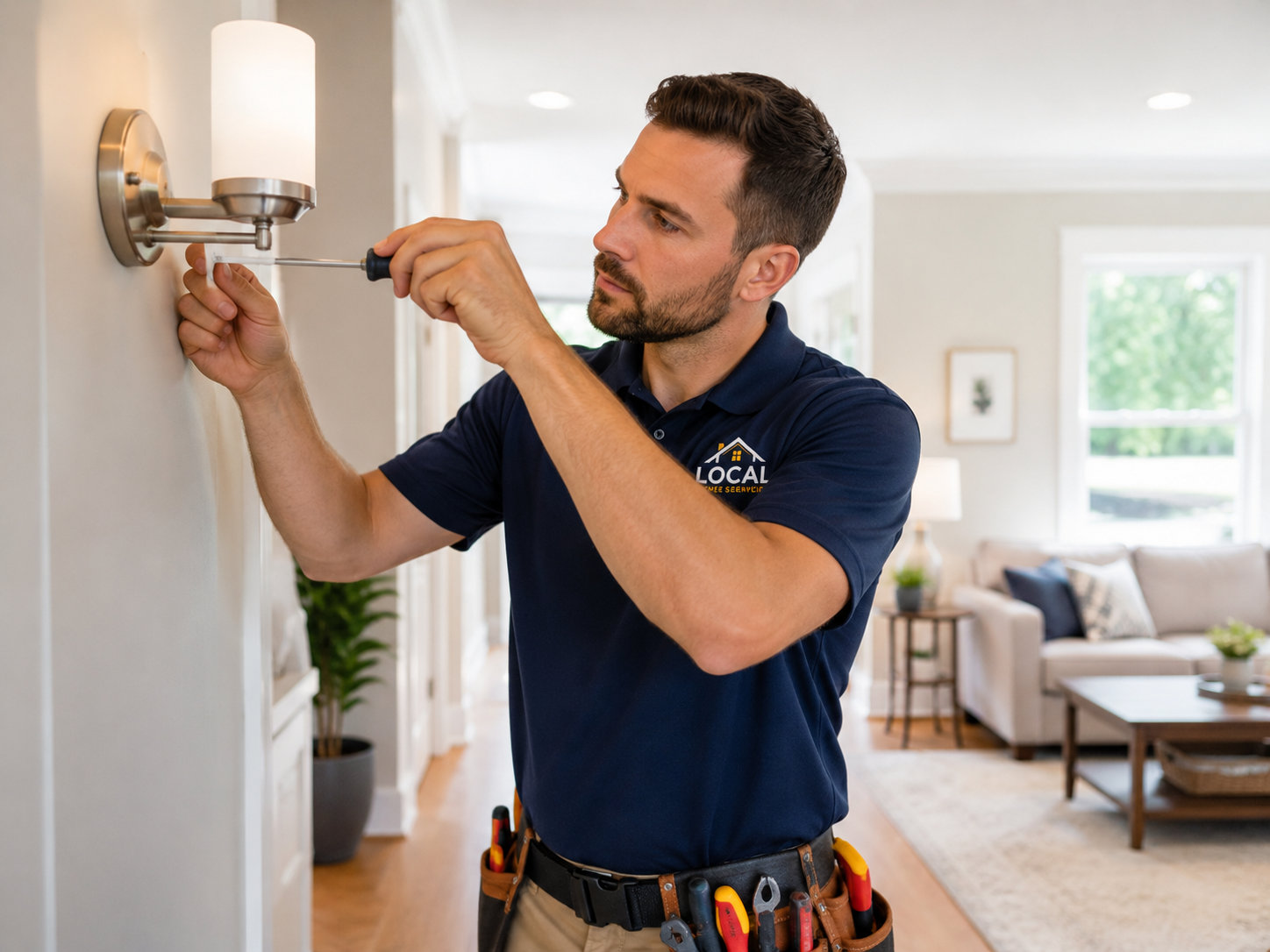
Build a Simple Home Maintenance Routine
You do not need a complicated spreadsheet. A simple seasonal routine is enough for many homes.
Spring
Check exterior damage after winter, clean accessible vents, inspect seals, look for damp, and deal with small repairs before wetter areas worsen.
Summer
Inspect exterior fittings, doors, windows, outdoor lighting, and areas used more often in warm weather.
Autumn
Prepare for colder and wetter weather. Check drainage, seals, heating controls, exterior lights, and areas where water might collect.
Winter
Watch for condensation, heating issues, draughts, leaks, and storm-related exterior damage.
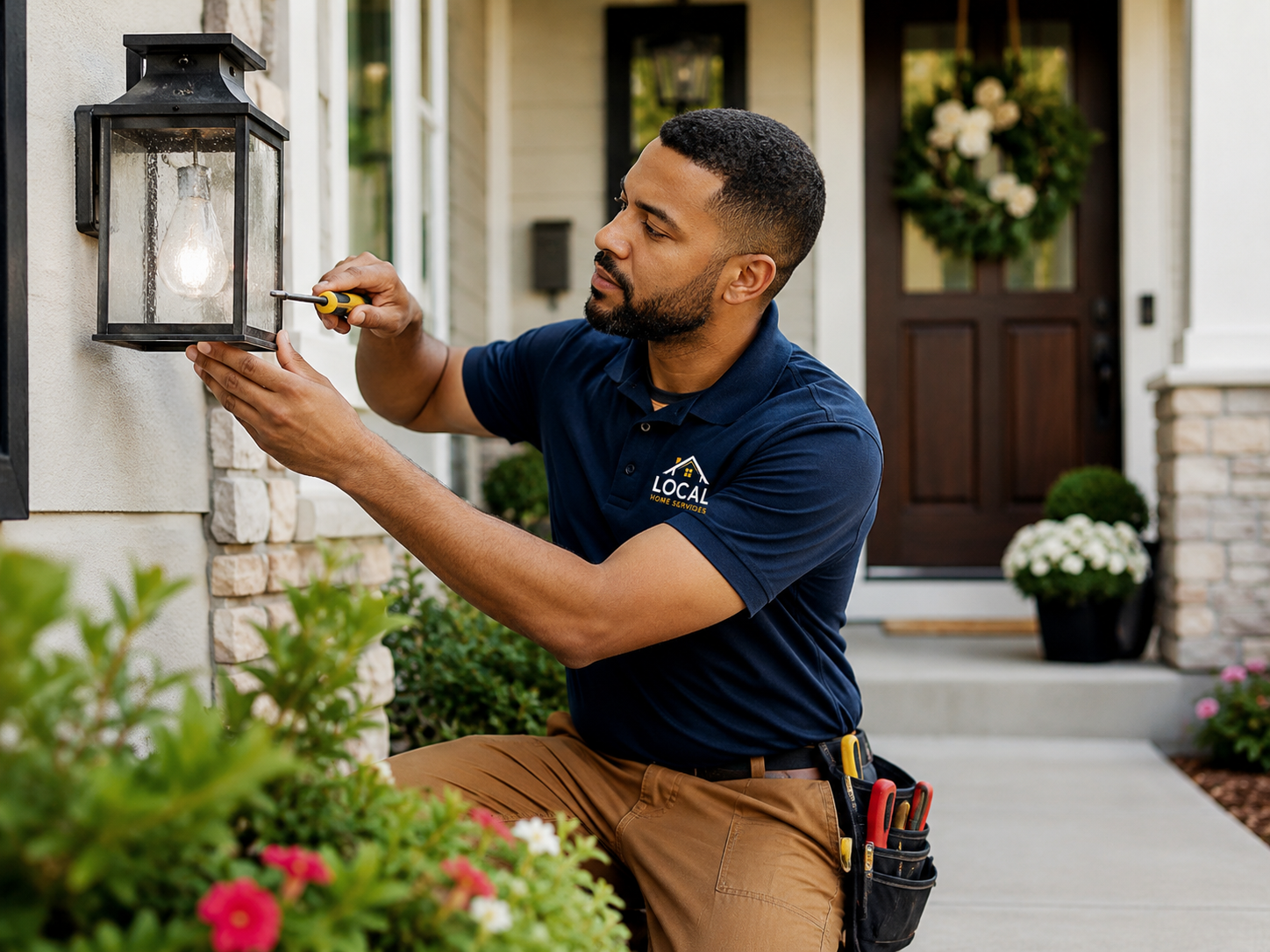
The point is consistency. Five minutes of observation can sometimes prevent weeks of disruption later.
Prioritise Water, Electricity, Security, and Weather Protection
When deciding what to fix first, start with issues that can create secondary damage or safety concerns.
Priority areas include:
- active or suspected water leaks
- electrical warning signs
- gas-related concerns
- doors or windows that cannot secure properly
- weather penetration
- loose items that could fall
- significant damp or mould linked to an unresolved cause
Electrical Safety First provides practical home electrical safety advice, and HSE provides gas safety information for homeowners. These are useful references when an issue moves beyond general property maintenance.
Keep Kitchens and Bathrooms Under Observation
Kitchens and bathrooms concentrate water, electrical equipment, seals, fittings, and ventilation into relatively small spaces.
Look for:
- drips around taps and wastes
- movement in fittings
- failed sealant
- swollen panels
- damp smells
- ineffective extractor fans
- loose tiles or finishes
- water collecting where it should not
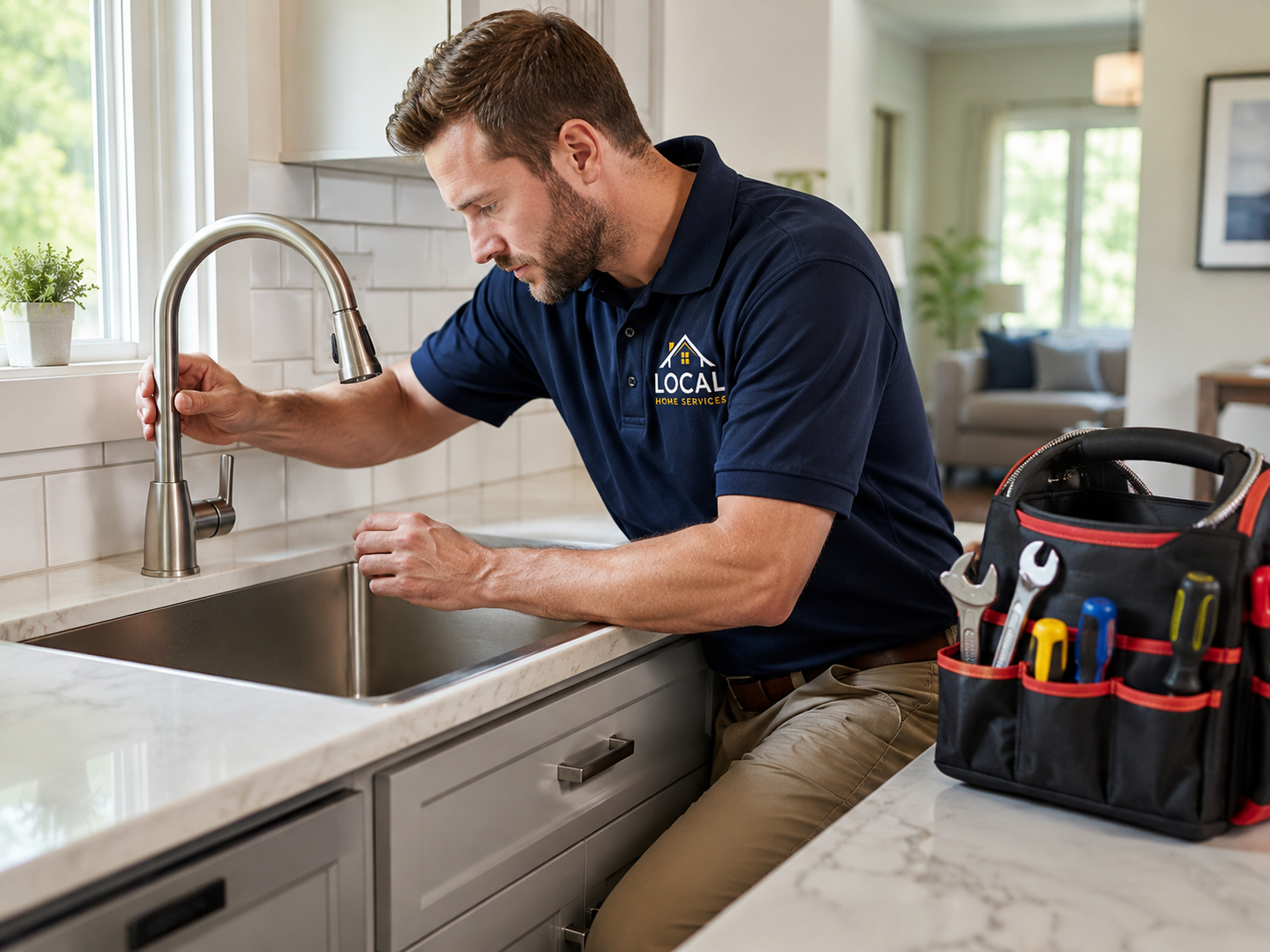
Catching a small leak under a sink can protect the cabinet, floor, and adjacent wall. The same principle applies around baths, showers, appliances, and toilets.
Do Not Ignore Exterior Maintenance
Exterior repairs can feel less urgent because they are outside your main living space. But the exterior is the first line of defence against weather.
From ground level, check:
- gutters and downpipes
- visible roof edges
- doors and windows
- external sealant
- lighting
- fences and gates
- vents
- wall finishes
- drainage around the building
Coastal weather around Southend-on-Sea and Leigh-on-Sea can expose homes to wind-driven rain and moisture, making regular exterior checks useful.
Plan Installations Properly
Adding a fixture or feature is not just a matter of attaching it to the wall. The surrounding structure, services, clearances, and regulations may matter.
For larger alterations, check whether building regulations apply. GOV.UK explains that approval may be required for certain electrical work, bathrooms involving plumbing, fixed air conditioning, replacement windows and doors, and other alterations. See building regulations approval.
Our installation services are intended for homeowners who want new features fitted carefully and professionally.
Know When Replacement Is More Practical
Homeowners often keep repairing the same component because replacement feels like the bigger decision.
But if a component is repeatedly failing, badly worn, obsolete, difficult to source parts for, or causing secondary problems, replacement may be more sensible.
Use our replacement services when an existing fitting or component has reached the point where another temporary repair no longer feels worthwhile.
Work With Contractors Clearly
For larger residential work, clarity protects both the homeowner and the contractor.
Agree:
- the scope of work
- what materials are included
- the price or basis of pricing
- expected timing
- who handles disposal
- what happens if additional work is discovered
Citizens Advice recommends getting clear written information before and during home improvement work and explains consumer rights when work is not completed with reasonable care and skill. Their home improvement guidance is worth keeping.
Maintain the Finish After the Work Is Done
A good repair or installation lasts longer when it is looked after.
Ask the technician:
- Is there anything I should clean or lubricate?
- How often should this be checked?
- Are there warning signs I should watch for?
- Is there a manufacturer maintenance requirement?
- When should I arrange professional servicing?
Keep invoices, product information, warranties, and photos together. These records can be useful for future repairs and when selling the property.
Make Your Home Easier to Service
Simple preparation can reduce service time and disruption.
Before an appointment:
- clear access to the affected area
- move fragile items
- keep pets and children away from the work zone
- make a short list of symptoms
- take photos of intermittent problems
- note when the problem started
- mention previous repairs
Clear information helps a technician diagnose the issue more efficiently.
Residential Services Should Feel Predictable
Homeowners should not feel confused about what happens next. A professional residential service should normally include:
- understanding the problem or request
- assessing the relevant area
- explaining the proposed solution
- agreeing the scope
- completing the work carefully
- checking the result
- explaining any follow-up or maintenance needs
Good communication matters just as much as tools.
Frequently Asked Questions
How often should I inspect my home?
A quick monthly visual check plus a more thorough seasonal review works well for many properties. Professional servicing intervals depend on the system or component.
What should I repair first?
Prioritise safety, active leaks, electrical or gas concerns, security, weather penetration, and issues causing secondary damage.
Can one company handle different types of residential jobs?
General home service companies can often coordinate a range of maintenance, repair, installation, and replacement work, but regulated specialist work must still be carried out by appropriately competent trades.
How can I reduce emergency repairs?
Regular inspection, prompt attention to small faults, planned servicing, and replacing worn components before complete failure can all reduce the chance of an emergency.
Need Help With Your Home?
Whether it is a repair, new installation, replacement, or general property maintenance, our residential services are built around practical help for local homeowners.
Browse all services, or contact us and call {{custom_values.main_phone_display}} to discuss what your property needs.
