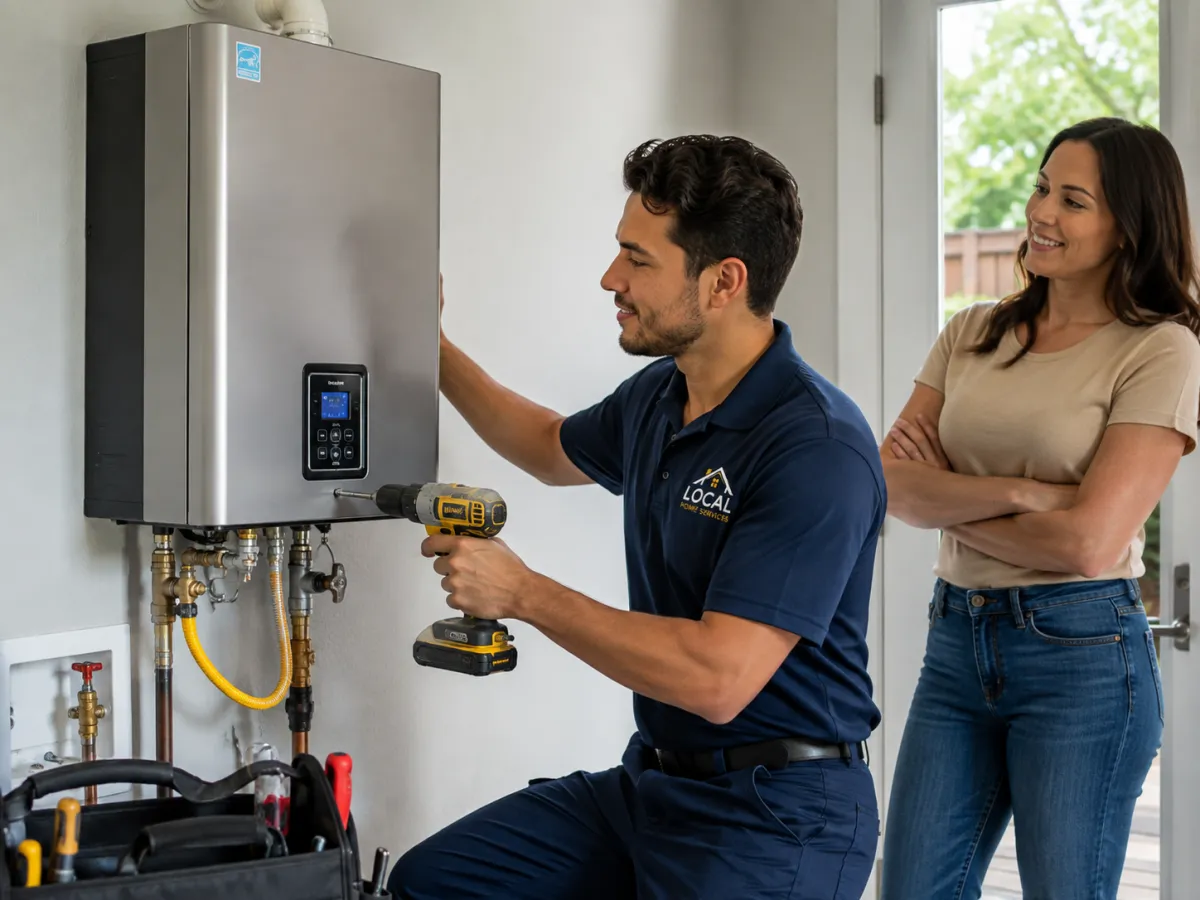
Repair or Replace? How to Make the Right Choice for Your Home
Repair or replace? It is one of the most common questions homeowners face when a fixture, fitting, appliance connection, window, door, or property component starts causing trouble. Choosing correctly can save money, but the cheapest option today is not always the cheapest option over the next few years.
For homeowners looking at repair or replacement services in Southend-on-Sea, the right decision usually comes down to condition, safety, age, frequency of failure, efficiency, appearance, and the cost of putting the problem right properly. Our replacement services are designed for situations where continued repair no longer makes practical sense.
Start With the Cause, Not the Symptom
Before deciding whether to repair or replace something, understand why it failed.
A sticking window may need adjustment, but it could also have damaged hardware or a distorted frame. A leaking fitting might need a seal, or corrosion may have affected the component itself. A household system that repeatedly stops working may have one replaceable part, or it may be approaching the end of its useful life.

A proper inspection helps separate a localised fault from a wider condition problem.
When Repair Usually Makes Sense
Repair is often the sensible first choice when:
- the component is generally in good condition
- the fault is isolated and easy to identify
- replacement parts are readily available
- the repair cost is reasonable compared with replacement
- the issue has not been recurring
- safety and performance can be fully restored
For example, replacing worn hardware on an otherwise sound door can be much more sensible than replacing the whole door. The same principle applies throughout the property.
Good repair work should restore function, not simply make the symptom disappear temporarily.
When Replacement Starts to Make More Sense
Replacement becomes more attractive when the item is badly worn, repeatedly fails, has obsolete parts, performs poorly, or has already had several repairs.
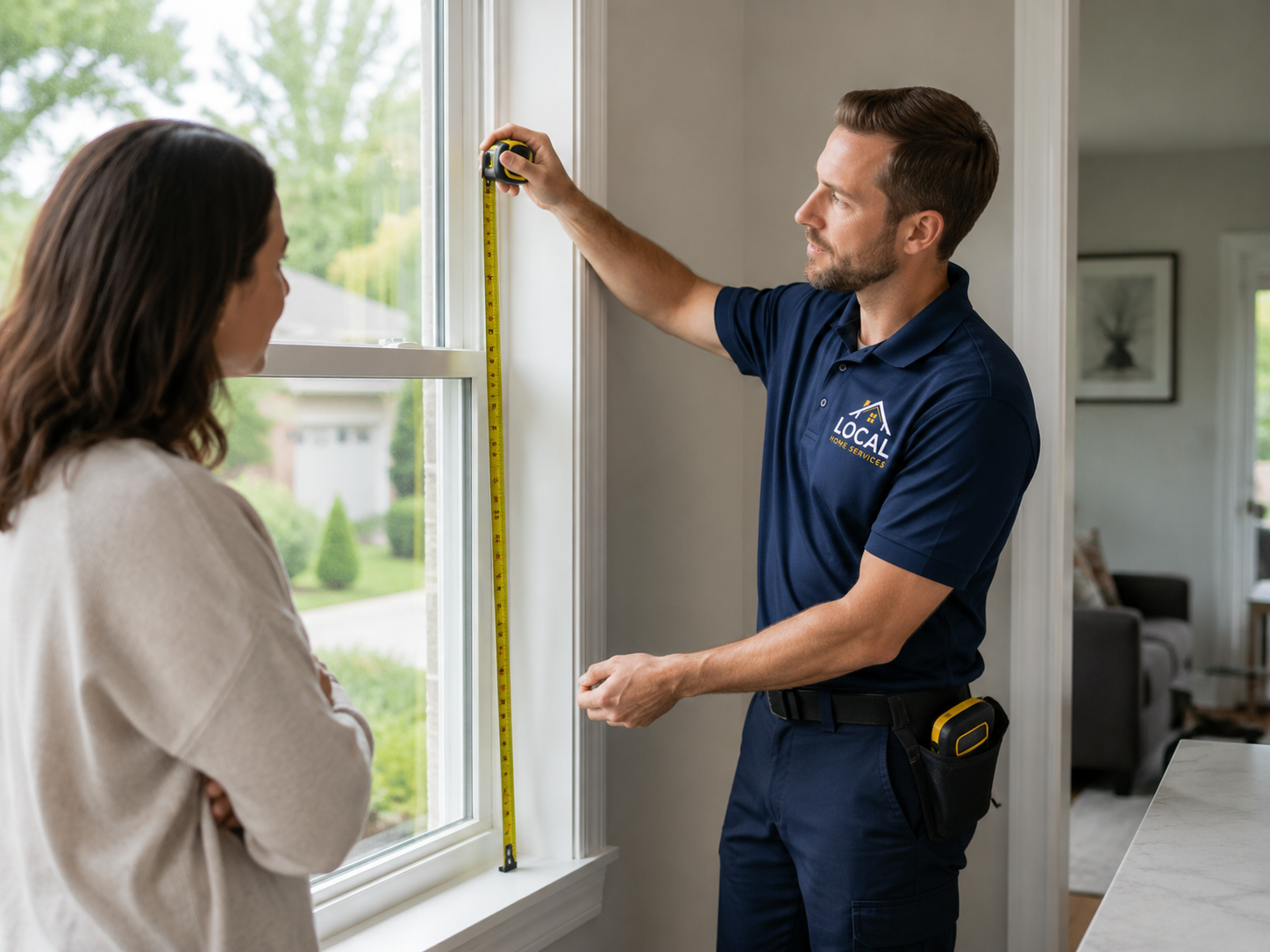
Ask yourself:
- How many times has this been repaired?
- Are parts becoming difficult to find?
- Is the component causing other problems?
- Is it inefficient, unsafe, or unreliable?
- Would a new replacement provide a meaningful improvement?
- Is the repair cost approaching a large percentage of replacement cost?
There is no universal percentage that makes the decision for you. Context matters. A low-cost repair on a high-quality component may still be worthwhile. An expensive repair on something already near the end of its useful life may not be.
Compare the Whole Cost, Not Just Today’s Quote
The true cost of keeping an old component includes more than one repair invoice.
Consider:
- future call-outs
- repeated parts and labour
- damage caused by failures
- energy or water waste
- disruption each time it fails
- the risk of needing emergency work later

A replacement can cost more upfront but provide a more predictable result.
On the other hand, replacing something that only needs a straightforward repair wastes usable life and materials. That is why diagnosis matters.
Safety Can Make the Decision for You
If a component cannot be made safe through a proper repair, replacement should not be delayed simply because repair looks cheaper.
Electrical, gas, structural, and certain building work also have specific legal and technical requirements. GOV.UK notes that building regulations can apply to alterations such as replacement windows and doors, electrical work, bathrooms involving plumbing, and other projects. See the government’s guidance on when building regulations approval may be required.
For gas work, HSE states that the work must be carried out by a Gas Safe registered engineer. Its homeowner gas safety guidance explains how to check an engineer and what to do if an appliance may be unsafe.
Think About the Surrounding Property
A replacement rarely exists in isolation. A new window has to suit the opening. A new fixture has to connect correctly to the existing system. A replacement appliance may require appropriate services, clearances, ventilation, or electrical capacity.
This is why measuring and assessing the surrounding area before ordering or installing something is important.
The government also publishes guidance on building work, replacements and repairs to your home, including examples of work that may need building regulations compliance.
Appearance and Consistency Matter Too
Not every replacement decision is driven by failure. Homeowners may want to update an old fitting, improve appearance, make operation easier, or create a more consistent finish across the property.
When appearance is a major reason for replacement, consider whether replacing one item will create an obvious mismatch with the rest. Sometimes a targeted replacement is fine. Sometimes a grouped project gives a cleaner result.
Your priorities should drive the decision rather than a blanket rule.
What About Energy Efficiency?
Older components can sometimes perform perfectly well after repair. In other cases, replacement may improve draught control, heating control, insulation, water efficiency, or general performance.
Be careful with exaggerated savings claims. The value of an upgrade depends on the actual condition of what you have, the replacement chosen, how the property is used, and installation quality.
A professional should be able to explain the practical benefit rather than simply telling you that newer is always better.
Get the Scope in Writing
Once you decide to repair or replace, make sure you understand what is included.
For larger home improvement work, Citizens Advice recommends clear written information about the work, materials, pricing, and any changes. Its guidance on home improvements and repair problems is a useful consumer reference.
A clear quote should help you understand:
- what is being repaired or replaced
- whether removal and disposal are included
- what materials or parts are included
- whether making good is included
- any exclusions
- how additional work will be approved
This reduces surprises for both sides.
Repair or Replace? A Simple Decision Framework
Use this five-step check:
Step 1: Diagnose
What actually failed? Do not make a decision based only on the visible symptom.
Step 2: Check condition
Is the rest of the component still sound?
Step 3: Compare costs
Compare a proper repair with a suitable replacement, including likely future repairs.
Step 4: Consider safety and compliance
Will the repair restore safe, compliant operation?
Step 5: Think long term
Which option gives you the best balance of reliability, cost, performance, and disruption?
If you still are not sure, ask for both options to be explained.
Local Replacement Services in Southend-on-Sea
Homes in Southend-on-Sea and surrounding parts of Essex include properties of different ages, layouts, and materials. A repair that makes sense in one home may not be right in another.
Our broader services include repairs, installations, replacements, residential work, commercial work, and emergency support. The aim is to choose a practical solution based on the actual property.
Frequently Asked Questions
Is replacement always better than repeated repairs?
If repairs are frequent and the underlying component is worn, replacement often becomes more attractive. But one or two minor repairs do not automatically mean replacement is necessary.
How do I compare repair and replacement costs?
Compare the immediate cost, expected lifespan after repair, likely future maintenance, disruption, efficiency, and any secondary damage caused by failure.
Can I supply my own replacement item?
Sometimes, but check compatibility and responsibility before buying. An installer may need specific dimensions, approvals, fittings, or technical information.
Do replacement windows or doors need building regulations approval?
Some replacement work can fall under building regulations. Check the current GOV.UK guidance and use an appropriately registered installer or building control route where required.
Need Help Deciding?
If you are stuck between another repair and a replacement, our replacement services can help you assess the practical options.
Contact us or call {{custom_values.main_phone_display}} to discuss the issue before you commit to either route.
