
Preventive Home Maintenance: A Guide for Southend-on-Sea Homes
Home maintenance in Southend-on-Sea is easier and usually less expensive when small issues are found before they turn into bigger repairs. A loose fitting, a slow leak, a draught around a door, or a heating control that is not working properly can seem minor at first. Left alone, those small signs can lead to wasted energy, water damage, uncomfortable rooms, or a repair that becomes more disruptive than it needed to be.
For homeowners and landlords, a simple preventive routine can make a real difference. The goal is not to turn every homeowner into a tradesperson. It is to notice changes early, keep basic areas clean and accessible, and know when a qualified professional should take over. If you need hands-on help, our repairs and maintenance service is designed for exactly that kind of ongoing property care.
Why Preventive Home Maintenance Matters
A property is made up of many moving, sealed, connected, and weather-exposed parts. Doors open thousands of times. Taps, valves, seals, sockets, heating controls, gutters, windows, and ventilation systems all experience normal wear. Preventive home maintenance is about checking these areas before a fault becomes obvious.
Regular checks can help you:
- spot leaks before they damage cabinets, floors, or walls
- identify loose hardware before a door or window stops closing properly
- notice draughts and failed seals before they affect comfort
- catch unusual electrical signs that need professional attention
- keep ventilation and heating controls working as expected
- plan replacements instead of being forced into an urgent decision
This is especially useful in a coastal area such as Southend-on-Sea, where wind, moisture, salt in the air, and changing weather can add extra wear to exterior fittings and seals.

1. Check Doors, Windows, Locks, and Seals
Start with the parts of the home you use every day. Open and close windows and doors slowly. Listen for scraping, grinding, or clicking. Check whether locks engage without force and whether handles feel secure.
Look around frames for visible gaps, cracked sealant, moisture marks, or areas where outside air can be felt. A small adjustment or reseal may be straightforward when caught early. Waiting until the frame becomes damaged, the lock fails, or water enters can make the repair more involved.
If you notice persistent condensation between panes, a frame that has moved, or a door that no longer sits squarely, it is worth getting it inspected rather than repeatedly forcing it shut.
2. Look Under Sinks and Around Water Connections
Slow plumbing leaks are easy to miss because they may only appear when a tap, appliance, or waste pipe is being used. Every few weeks, look under kitchen and bathroom sinks for:
- damp patches
- swelling or staining inside cabinets
- musty smells
- corrosion around connections
- drips at traps, valves, or flexible hoses
Run the tap while you look. A dry cabinet when the tap is off does not always mean everything is fine.
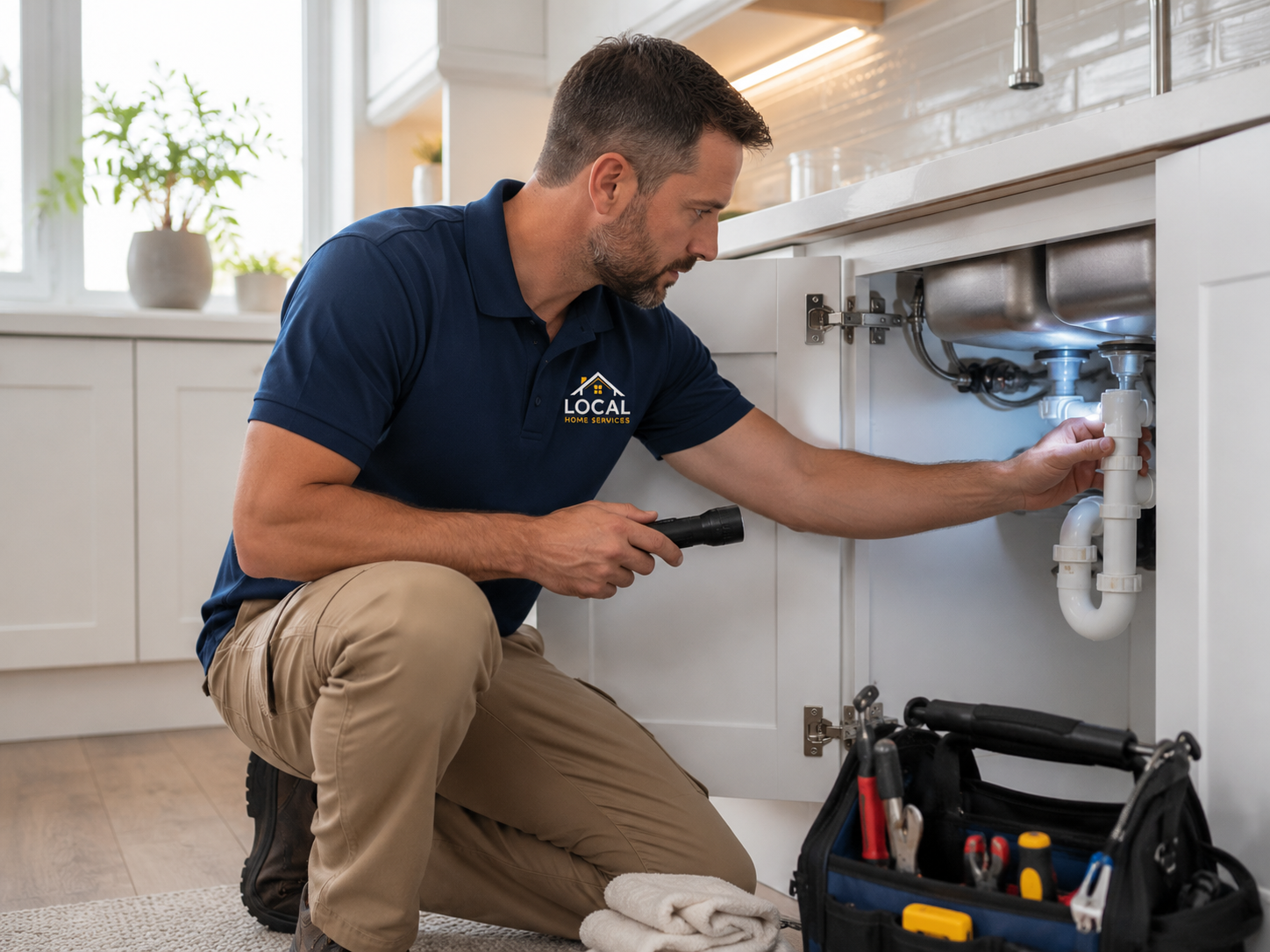
Water problems deserve quick attention. Even a small leak can damage timber, flooring, plaster, and stored items over time. If the issue involves gas appliances, gas pipework, or a boiler, do not treat it as a general DIY job. The Health and Safety Executive advises that gas work must be carried out by a Gas Safe registered engineer. You can read the HSE’s gas safety guidance for homeowners.
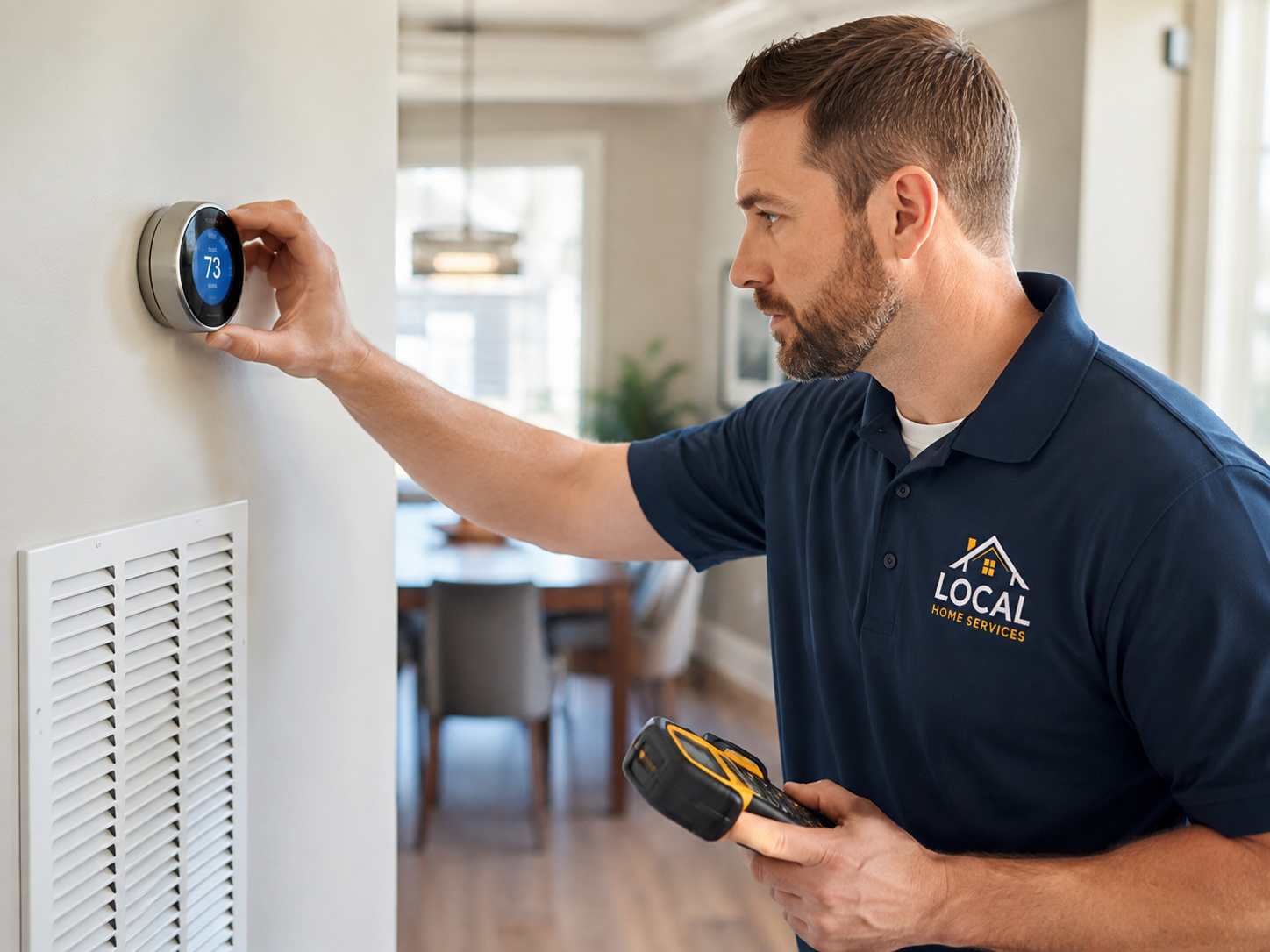
3. Pay Attention to Heating, Thermostats, and Ventilation
You do not need to dismantle heating equipment to notice when something has changed. Useful warning signs include rooms that suddenly heat unevenly, a thermostat that behaves inconsistently, unusual noises, persistent smells, or ventilation that seems weaker than before.
Keep vents and grilles clear of furniture and heavy dust. Check that extractor fans are actually moving air. If a thermostat is battery powered, replace weak batteries before assuming the whole system has failed.
Electrical Safety First also recommends paying attention to electrical warning signs such as overheating, burn marks, buzzing, or repeated tripping. Their home electrical safety advice is a useful reference. Electrical work should be left to a competent professional when there is any doubt.
4. Inspect Exterior Areas After Bad Weather
After strong wind or heavy rain, take a slow walk around the outside of the property. You are not looking to climb onto the roof. From ground level, check for obvious changes such as:
- loose or damaged gutter sections
- broken external lights
- damaged sealant around windows and doors
- water collecting where it normally does not
- loose fencing, gates, or exterior fittings
- visible roof or flashing damage from a safe viewpoint
In Southend-on-Sea and nearby areas such as Leigh-on-Sea and Westcliff-on-Sea, exposed properties can take a regular beating from wind and rain. Quick visual checks after poor weather can help you notice problems while they are still manageable.
5. Watch for Small Changes Inside the Home
Many maintenance issues show themselves indirectly. A stain may appear before you see a leak. A door may begin sticking before a hinge fails. A room may feel colder before you notice a failed seal.
Do not ignore recurring symptoms such as:
- damp marks that return after cleaning
- cracking that continues to grow
- a floor area becoming soft or uneven
- repeated mould in one specific place
- fixtures becoming loose again after tightening
- appliances or systems behaving differently than usual
One isolated sign does not always mean a serious problem, but repeated or worsening signs are worth investigating.
What Homeowners Can Safely Do Themselves
Basic cleaning, visual checks, replacing simple consumables, tightening accessible non-electrical hardware, and keeping drainage or ventilation openings clear can all be sensible homeowner tasks.
The line changes when a job involves electricity, gas, structural work, working at height, significant water leaks, or anything you are not confident about. Electrical Safety First specifically warns against attempting electrical work without the right competence and recommends using a registered professional. Their DIY electrical safety guidance explains the risks clearly.
A good rule is simple: if getting it wrong could cause fire, electric shock, gas exposure, flooding, structural damage, or injury, stop and call the right professional.
How Often Should You Do a Maintenance Check?
There is no single schedule that fits every property, but a practical routine is:
- Monthly: quick visual check of plumbing areas, alarms, obvious damp, doors, and windows.
- Seasonally: exterior inspection, seals, gutters, heating controls, ventilation, and weather-related wear.
- Annually: review larger maintenance needs and arrange professional servicing where required.
- After unusual events: inspect after storms, leaks, accidental damage, or a sudden change in how something operates.
Keeping a simple note on your phone can help. Record what you noticed, when it appeared, and whether it is changing. Photos are useful when comparing an issue over time.
Preventive Maintenance Can Save More Than Money
The biggest benefit is often convenience. Planned maintenance can be booked at a suitable time. Emergency repairs happen when the property decides.
Preventive care can also help protect finishes and surrounding materials. Fixing a small leak is one job. Fixing the leak after it damages a cabinet, floor, and wall is several jobs.
For a broader look at the help available across the property, visit our home services page. If you are based in Southend-on-Sea, our template is designed to connect local customers with relevant services and local information.
Frequently Asked Questions
What are the most important home maintenance checks?
Start with water leaks, doors and windows, visible electrical warning signs, heating and ventilation, damp, and exterior weather damage. These areas can affect safety, comfort, and the condition of surrounding materials.
Should I repair a small issue immediately?
If it affects water, electricity, gas, security, or is getting worse, it is usually better to act quickly. For cosmetic or non-urgent issues, document them and plan the work before they become more disruptive.
Can I do home maintenance myself?
Basic visual checks and simple non-specialist tasks can be appropriate. Electrical, gas, structural, high-level, or potentially dangerous work should be handled by a competent professional.
Does coastal weather affect home maintenance?
It can. Wind, rain, moisture, and salt-laden air may increase wear on exterior metalwork, seals, doors, windows, and finishes, so regular exterior checks are useful in coastal locations.
Need Help Keeping Your Property in Good Condition?
Preventive home maintenance should make life easier, not give you another full-time job. If you have spotted something that needs attention, our repairs and maintenance team can help assess the problem and recommend a practical next step.
To discuss your property, contact us or call {{custom_values.main_phone_display}}. You can also browse more practical advice on our blog.
